Recent Developments in Trademark Law and Their Impact on Creative Industries

Introduction
Trademarks, forming a vital part of intellectual property rights (IPR), empower businesses and creators by protecting their brand identity and reputation. The creative industries—encompassing media, fashion, entertainment, and digital content—rely heavily on trademarks to differentiate their unique offerings in competitive global markets. In 2025, India’s trademark legal landscape has undergone transformative developments through legislative updates, procedural reforms, and landmark judicial decisions, aligning it closer to the contemporary needs of dynamic, technology-driven creative fields.
This paper analyzes these recent developments, elucidates their implications for creative sectors, and offers perspectives on ongoing challenges and future prospects.
Evolution of Trademark Law in India
India’s trademark system has gradually matured from colonial-era regulations to a modern, TRIPS-compliant regime established under the Trade Marks Act, 1999. Early legal frameworks lacked comprehensive protections for brand owners, but growing international trade and economic expansion necessitated reform. The 1999 Act introduced structured registration, enforcement mechanisms, and dispute resolution procedures, supplementing India’s accession to global IP treaties like the Madrid Protocol. [1]
Since then, incremental changes such as digitization of trademark registry and introduction of non-traditional marks have shaped a responsive legal milieu.[2]
Milestones Leading to 2025
- 2013: India joined the Madrid Protocol, enabling streamlined international registration.
- 2020–2024: Increasing focus on protection against counterfeit trade and internet-based infringements.
- 2025: Major procedural and substantive reforms implemented, focusing on digitization, broader trademark categories, enforcement, and support for startups.[3]
Major 2025 Legal and Procedural Reforms
- Digitization and AI Integration
The Judiciary and Registry embraced technological advancements in 2025, with AI-assisted examination tools reducing pendency and increasing accuracy in conflict detection. Blockchain technology began pilot use for permanent, tamper-proof records of trademark ownership and transaction history, enhancing registry transparency and reliability.[4]
Creative entrepreneurs, particularly in fast-moving sectors such as digital media and fashion, benefit from expedited registrations ensuring timely brand launches.
- Extension of Trademark Categories
Recent rule amendments expanded definitions to explicitly include non-traditional trademarks—sound, color combination, motion marks, and even scent marks. This aligns Indian law with global standards and allows protection for creative assets such as musical jingles, signature color packages, and motion logos integral to brand identity. [5]
Entertainment, music, digital gaming, and luxury fashion industries stand to gain substantially from this broadened protection scope.
- Strengthened Enforcement Frameworks
The 2025 legal reforms focus on combating infringement through dedicated IP benches at High Courts and specialized arbitration panels. Penalties for counterfeit production and sales have been intensified, complemented by empowered customs authorities authorized to seize infringing imports.[6]
These measures reduce the prevalence of grey-market and pirated goods that undermine creative markets and erode brand goodwill.
- E-Commerce and Digital Environment Adaptations
A rising wave of trademark infringements online—ranging from counterfeit sales to social media impersonation—prompted new interim relief rules mandating rapid takedown of offending content, along with accountability of intermediaries under amended information technology regulations.[7]
For creators dependent on digital platforms, this increases legal recourse and safeguards brand integrity in an otherwise complex ecosystem.
- Support for Startups and MSMEs
Recognizing the economic significance of startups and MSMEs, the government introduced subsidized trademark filing fees, simplified online procedures, and multilingual support.[8] Educational programs facilitate awareness, making trademark protection more accessible to innovators and small businesses creating novel artistic content or product designs. This fosters a competitive environment where emerging creatives can protect and monetize their brands.
Judicial Developments Shaping Trademark Law
Landmark Judgments in 2025 Affecting CreativesIndian courts have issued several influential rulings clarifying trademark principles applicable to the creative industries:
Pernod Ricard India Pvt. Ltd. v. Karanveer Singh Chhabra: The Supreme Court refined the criteria for granting interim injunctions in trademark infringement, instituting the ‘composite test’ balancing brand protection and public domain interests in descriptive elements.[9]
WOW Momo Foods Pvt. Ltd. v. WOW Burger: The Delhi High Court underscored limits on the monopoly over common English words within food branding, elucidating the doctrine of secondary meaning in composite marks.[10]
Domain Names and Online Infringements
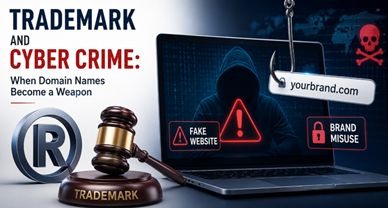
Courts have increasingly recognized domain names as integral to trademark protection, addressing brand impersonation and cybersquatting which affect digital creative enterprises. Judicial sensitivity towards online content unauthorized use cases provides a more secure framework for digital creative professionals.[11]
Non-Traditional Marks Jurisprudence
Judicial acknowledgment of sound, color, and 3D marks in landmark rulings has opened new avenues for distinctiveness claims, empowering industries like film, music, and fashion to safeguard unique brand expressions beyond textual logos.[12]
Impact on Key Creative Industries
Media and Entertainment
Protection of sound marks, audiovisual trademarks, and motion logos enhances defenses against piracy and unauthorized commercial use. Enforcement reforms enable quicker removal of infringing content on OTT platforms, safeguarding creators’ revenue streams and artistic reputation.[13]
Fashion and Design
Recognition of non-traditional trademarks aids the fashion industry in protecting signature styles, color palettes, and packaging designs from counterfeiters, supporting premium brand positioning and consumer trust.[14]
Digital Content and Startups
Simplified registration and enforcement mechanisms help digital native startups establish and defend their brands realistically in saturated markets. Transparent and speedy processes increase confidence for investors and consumers alike.[15]
Ongoing Challenges
Despite notable progress, challenges remain:
- Procedural Delays in opposition and cancellation proceedings cause uncertainty.
- Uneven Enforcement at regional levels hampers consistent protection.
- Awareness Gaps among smaller creative businesses limit utilization of legal protections.
- Complexities in Non-Traditional Marks registration due to subjective examination criteria persist.[16]
Future Outlook and Recommendations
Continued investment in judicial capacity, technology adoption, and stakeholder education is essential. Further legislative refinement to clarify non-traditional marks’ scope and outreach programs focusing on SMEs and creatives will enhance ecosystem inclusiveness.
Collaboration between government, legal professionals, and industry bodies will be key to sustainably balancing brand protection with competitive innovation in India’s vibrant creative economy.
Conclusion
The 2025 trademark law reforms mark a
significant stride towards aligning India’s IP framework with modern creative industry demands. By expanding protections, integrating technology, enhancing enforcement, and democratizing access, the legal environment now better supports brand originality and economic growth in dynamic creative sectors. Creative entities must proactively engage with evolving trademark norms to safeguard their most valuable assets—their brand identity and creative goodwill.
Author:–Rishabh Jain, in case of any queries please contact/write back to us at support@ipandlegalfilings.com or IP & Legal Filing.
References
Anandandanand. (2025). Chambers Trademarks & Copyright 2025 | Law & Practice. Retrieved from https://www.anandandanand.com/news-insights/chambers-trademarks-copyright-2025-law-practice/
IP India. (2025). Public Notices on Trademark Law Developments. Ministry of Commerce and Industry.
LegalWiz. (2025). Trademark Rules India 2025: Key Changes & Process Guide.
https://www.legalwiz.in/blog/trademark-rules-in-india
Record of Law. (2025). Recent developments in trademark law regime in India. https://recordoflaw.in/recent-developments-in-trademark-law-regime-in-india-an-analysis/
SCC Online. (2025). Intellectual Property Rights Roundup. https://www.scconline.com/blog/post/2025/09/03/intellectual-property-rights-august-2025-roundup-scc-times/
Singhania Law. (2025). India IP Updates – Patent & Trademark. https://singhanialaw.com/india-ip-newsletter-june-2025/
TM Wala. (2025). India’s New Trademark Rules Coming in 2025. https://tmwala.com/government-working-on-new-trademark-rules/
[1] Recent developments in trademark law regime in India, Record of Law, August 2025.
[2] India Trademark Law Trends 2025, Chambers Global Practice Guides, February 2025.
[3] Trademark Rules Update 2025, TM Wala Blog, August 2025.
[4] AI and Blockchain in Trademark Registry, LegalWiz, October 2025.
[5] Expansion of Non-Traditional Trademarks in Indian Law, IP India Public Notice, September 2025.
[6] Enforcement Strengthening and IP Benches Setup, Singhania Law IP Newsletter, June 2025.
[7] Digital Marketplace Adaptations in Trademark Law, LegalWiz, October 2025.
[8] MSME and Startup-Friendly Reforms, TM Wala, August 2025.
[9] Supreme Court Pernod Ricard Judgment, September 2025.
[10] Delhi High Court WOW Momo Judgment, September 2025.
[11] Domain Name Protection and Online CSR Cases, SCC Online, 2025.
[12] Non-Traditional Trademark Case Law Update, IP India, July 2025.
[13] OTT Content and Media Brand Protection, Chambers India IP, March 2025.
[14] Fashion Trademark Protection Trends, Singhania Law Newsletter, June 2025.
[15] Trademark Reforms and Startup Market Access, LegalWiz, October 2025.
[16] Procedural and Awareness Challenges in Trademark Enforcement, Chambers India IP Report, March 2025.